The skills no slide deck
can teach.
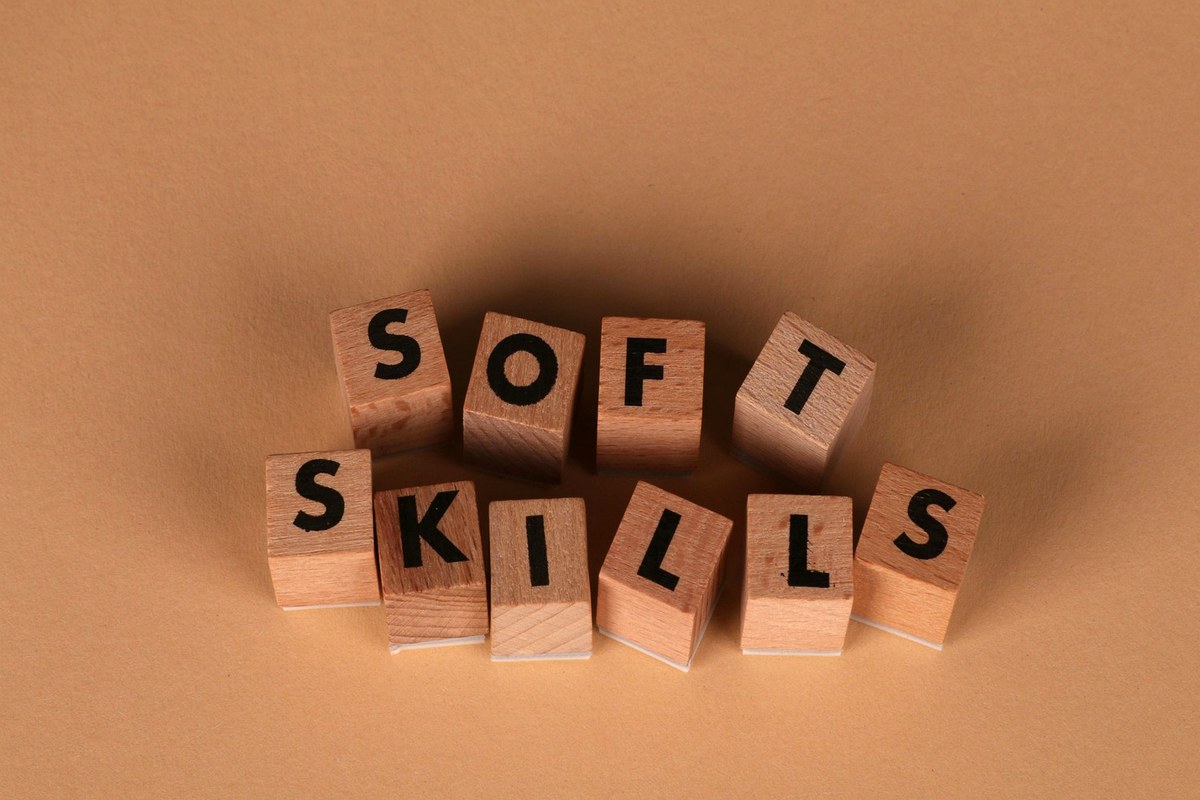
Communication, feedback, leadership presence, resilience under pressure. These are the skills that separate effective teams from struggling ones, and the skills most resistant to conventional training.
We design practice-based learning journeys that move soft skills from theory into daily behaviour. Every programme is built around the 12 levers of transfer: structured on-the-job practice, manager activation, peer feedback loops, and performance environment design.
We design the learning journey and work with subject matter experts, internal or external, according to the situation.
- Measurable improvement in specific targeted behaviours
- Manager-reported change in on-the-job performance
- Sustained practice habits 3 and 6 months post-programme
- Learner-reported confidence and skill readiness
The Sodyba Day,
our signature offer
A full immersive day at a traditional Lithuanian countryside house. Real practice, real feedback, real conditions for learning soft skills. Followed by a structured on-the-job practice plan.
Working across cultures
without losing each other.
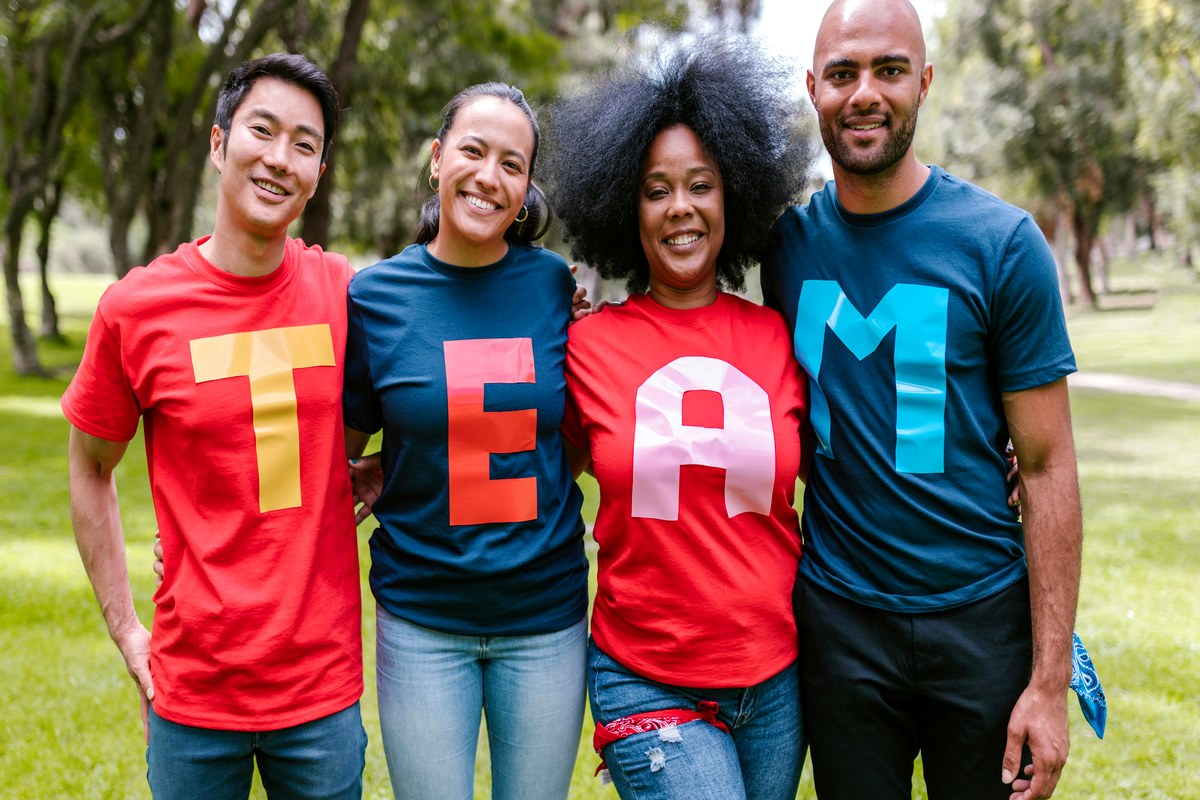
For international teams navigating cultural difference every day: in meetings that go nowhere, in feedback that lands wrong, in collaboration that feels harder than it should.
We design intercultural communication programmes grounded in real frameworks (not surface-level "cultural awareness" training) and built specifically around your team's composition, challenges, and business context.
Whether your team is navigating Lithuanian-international dynamics, managing across multiple European cultures, or integrating remote and in-person members from different backgrounds: we design for the real situation.
We design the learning journey and work with subject matter experts, internal or external, according to the situation.
- Improved cross-cultural meeting effectiveness
- Reduced friction in feedback and conflict conversations
- Stronger psychological safety across cultural groups
- Team-reported improvement in collaboration quality
The soft skills side
of working with AI.
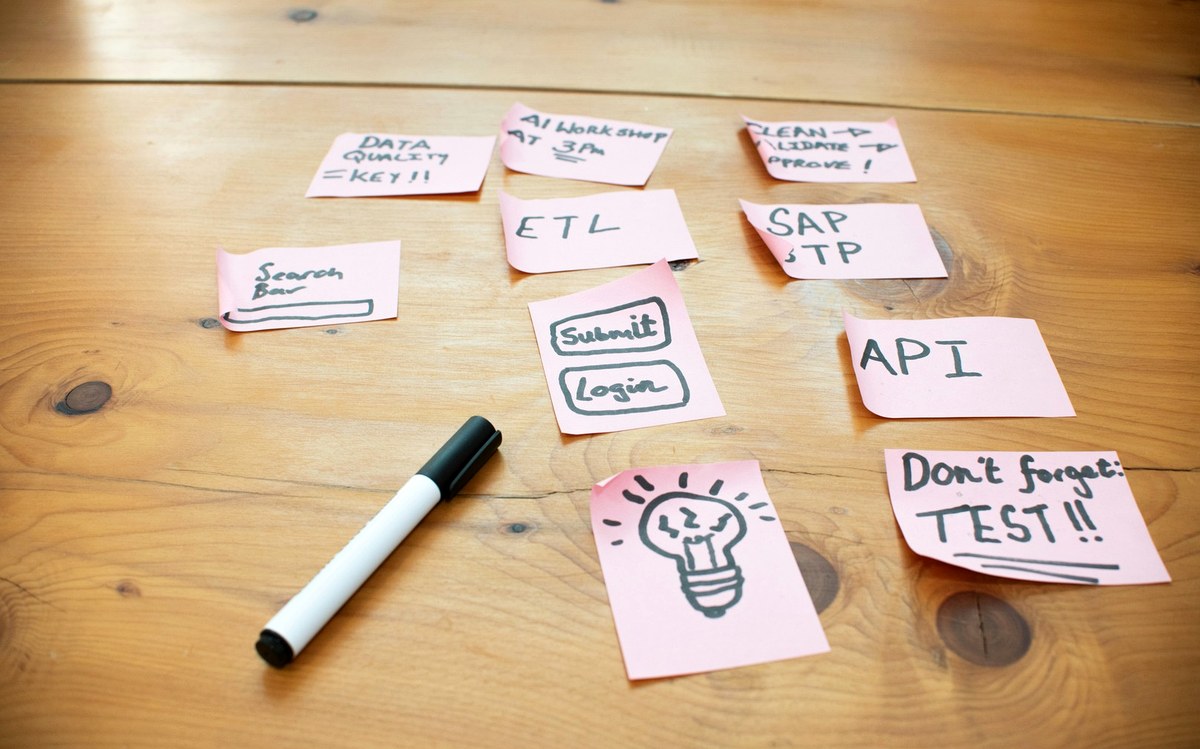
Adopting AI tools is not a technical challenge: it's a behavioural one. Most AI adoption programmes focus on the tools. We focus on the people using them.
We help international teams build the skills that make AI work in practice: critical thinking when the output looks confident but might be wrong, prompt literacy as a communication skill, the human judgement required to know when not to delegate to a machine, and the ethical awareness to use AI responsibly.
This is not a technology course. It's a behaviour change programme, designed with the same rigour we apply to every other soft skills journey.
We design the learning journey and work with subject matter experts, internal or external, according to the situation.
- Improved AI tool usage quality and confidence
- Stronger critical evaluation of AI outputs
- Team-wide shared language and norms around AI use
- Reduced over-reliance and under-reliance on AI tools